
When people think about Vietnamese coffee, one region stands out: Dak Lak.
Located in Vietnam’s Central Highlands, Dak Lak is widely recognized as one of the country’s most important coffee-growing regions. Its highland climate, fertile volcanic soils, long coffee-growing tradition, and strong connection with Vietnamese coffee culture have helped make Dak Lak coffee an important part of Vietnam’s agricultural identity.
But what makes Dak Lak coffee special? Why is this region so closely associated with Vietnamese coffee?
The answer lies in a combination of geography, climate, farming traditions, coffee varieties, processing methods, and the people who have cultivated coffee here for generations.
Where Is Dak Lak?
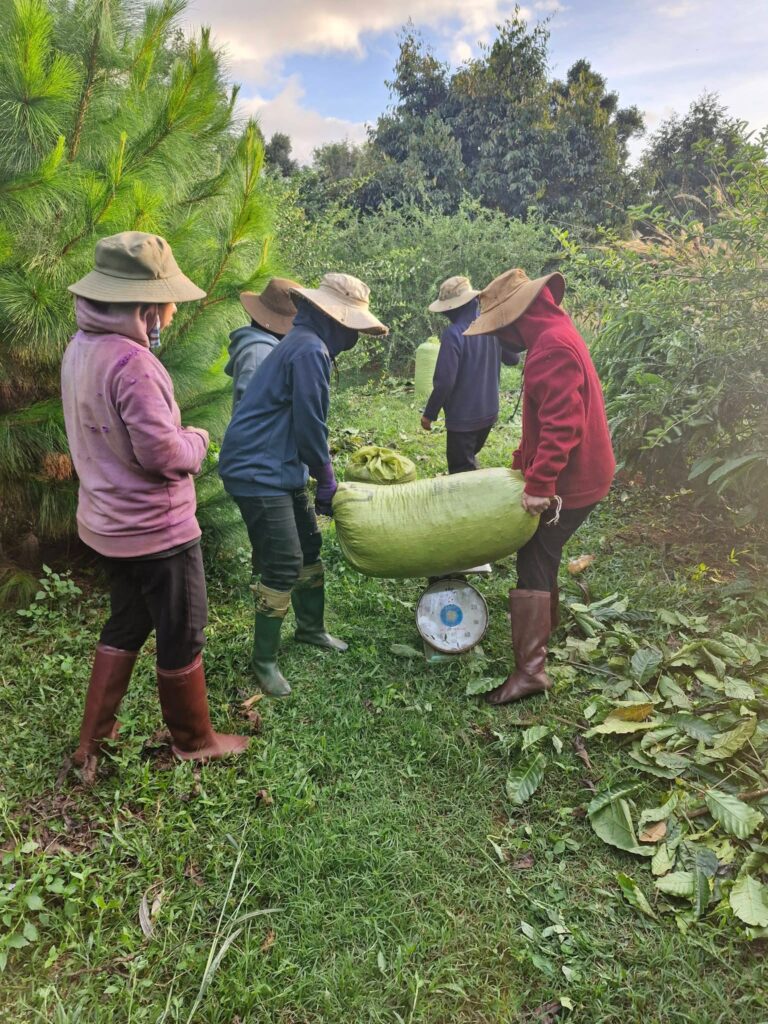
Dak Lak is located in Vietnam’s Central Highlands, a mountainous and fertile region in the country’s south-central interior.
The province is particularly famous for its coffee plantations. Around the city of Buon Ma Thuot, vast coffee-growing areas stretch across the highlands, creating landscapes of green coffee trees, red volcanic soil, and forested mountains.
Buon Ma Thuot is often regarded as the heart of Vietnam’s coffee industry, while Dak Lak as a whole has become closely associated with Vietnamese coffee production.
The region’s elevation and natural conditions provide an environment well suited to growing coffee, particularly Robusta coffee, which has become one of Vietnam’s most important coffee varieties.
1. The Unique Geography of Dak Lak
One of the main reasons Dak Lak is famous for coffee is its natural environment.
The Central Highlands have a combination of:
- Highland elevation
- Tropical climate
- Distinct wet and dry seasons
- Fertile volcanic soil
- Suitable temperatures
- Abundant sunlight and rainfall
These conditions allow coffee trees to grow well and produce healthy cherries.
The famous red basaltic soil of the Central Highlands is particularly important. This volcanic soil is rich in minerals and has good drainage, creating favorable conditions for agricultural production.
Walking through a Dak Lak coffee farm, you can often see the characteristic deep red soil beneath rows of coffee trees. It is one of the visual symbols of the Central Highlands.
The relationship between this soil, the climate, and traditional farming practices is an important part of what gives Dak Lak coffee its identity.
2. Dak Lak Is the Heart of Vietnam’s Robusta Coffee
Vietnam is particularly well known internationally for Robusta coffee.
Unlike Arabica, Robusta coffee is generally known for its stronger body, higher caffeine content, and more intense flavor profile.
Dak Lak has become one of Vietnam’s major Robusta-growing regions.
For generations, farmers in the Central Highlands have developed experience in cultivating, harvesting, drying, and processing Robusta coffee. This accumulated knowledge has become an important part of the region’s agricultural heritage.
Vietnamese Robusta is especially suitable for the style of coffee traditionally enjoyed in Vietnam.
Its strong body and intense flavor work beautifully with:
- Condensed milk
- Ice
- Traditional Vietnamese metal coffee filters
- Egg coffee
- Modern espresso-based drinks
This is one reason Vietnamese coffee has developed such a distinctive identity around the world.
3. The Famous Red Basalt Soil
If you visit Dak Lak, one of the first things you may notice is the color of the land.
The soil is often a deep reddish-brown, characteristic of the basaltic soils found throughout parts of the Central Highlands.
This soil is highly valued for agriculture because of its physical and chemical properties.
Coffee trees need healthy soil, adequate drainage, nutrients, and sufficient water. The combination of Dak Lak’s soil and climate creates favorable growing conditions for coffee.
Of course, soil alone does not determine coffee quality.
The final characteristics of coffee depend on many factors, including:
Variety + altitude + climate + soil + farming + harvesting + processing + roasting
This is why coffee from different farms can taste different even when they are located in the same region.
4. A Coffee Tradition Built Over Generations
Coffee is not simply an agricultural product in Dak Lak.
It is part of the region’s culture and economy.
Coffee cultivation developed strongly in Vietnam during the colonial period and expanded significantly during the 20th century. Over time, coffee became one of the major agricultural products of the Central Highlands.
Today, coffee farming supports many communities across the region.
For many families, coffee cultivation is more than a business. It is a way of life passed from one generation to the next.
Farmers have developed practical knowledge about:
- Planting coffee trees
- Managing shade
- Irrigation
- Pruning
- Harvesting
- Drying
- Processing
- Storage
This local knowledge contributes to the character of Dak Lak coffee.
5. From Coffee Cherry to Vietnamese Coffee
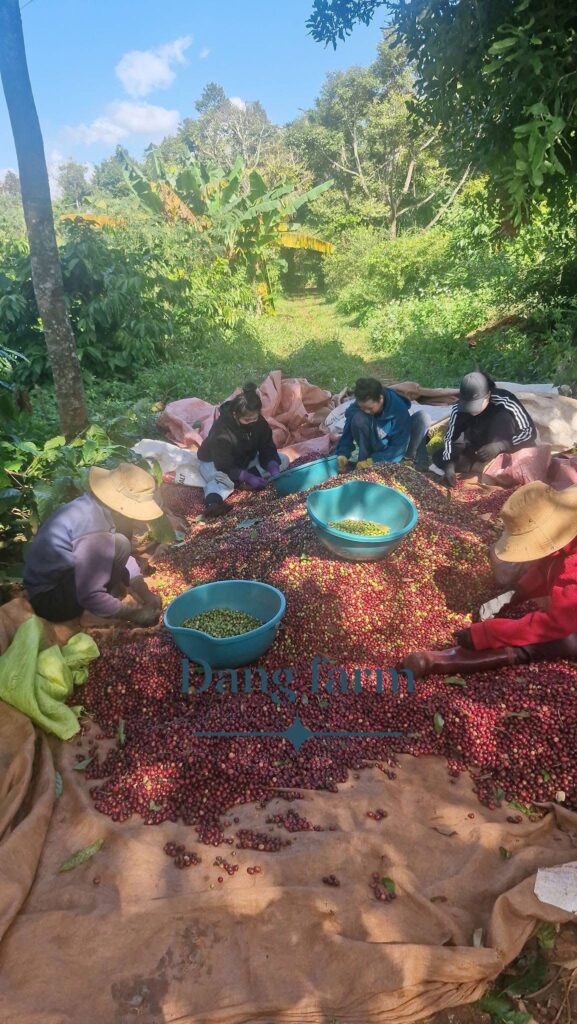
The journey of Dak Lak coffee does not end when coffee cherries are harvested.
The processing method has a significant influence on the final flavor.
Coffee cherries can be processed using different methods, including:
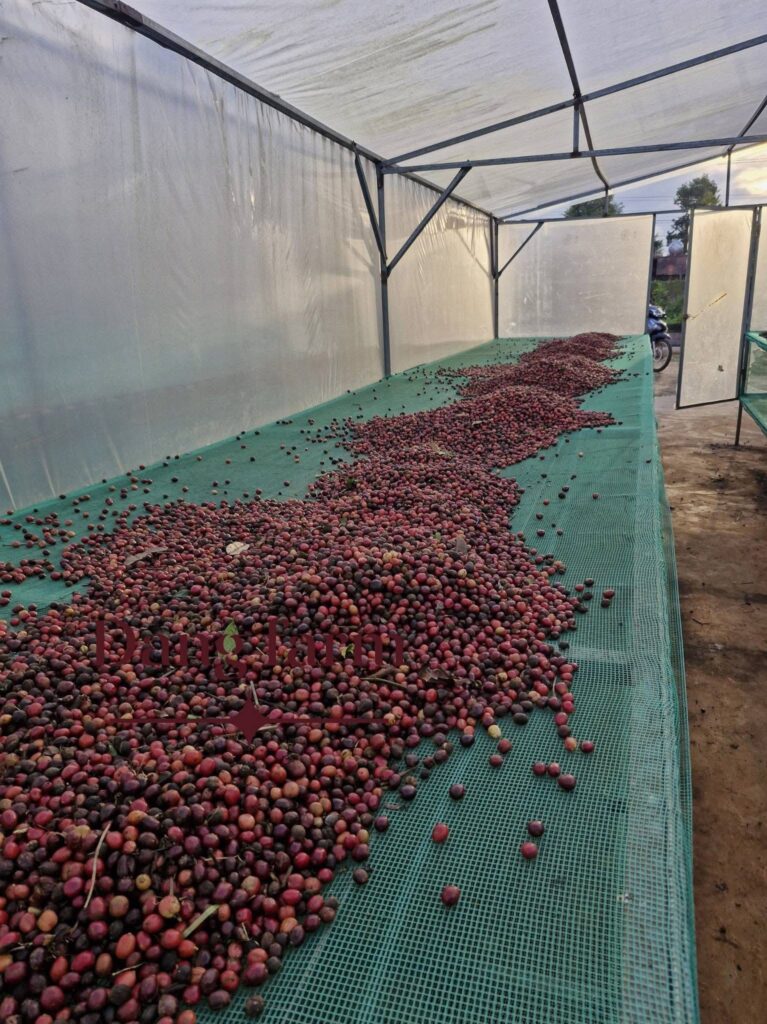
Natural Processing
The whole coffee cherry is dried with the fruit surrounding the bean.
This method can produce coffee with fruity and sweet characteristics.
Washed Processing
The fruit is removed from the coffee bean before drying.
This method can produce a cleaner and brighter flavor profile.
Honey Processing
Some of the fruit mucilage remains around the coffee bean during drying.
This can create a balance between sweetness, body, and clarity.
The choice of processing method, combined with roasting, can significantly influence the final cup.
This is why two coffees from Dak Lak can have very different aromas and flavors.
6. What Does Dak Lak Coffee Taste Like?
Traditional Vietnamese Robusta coffee is often associated with a strong and intense flavor profile.
Depending on the variety, farm, processing method, and roast, Dak Lak coffee may display characteristics such as:
- Strong body
- Rich aroma
- Dark chocolate notes
- Cocoa-like flavors
- Nutty characteristics
- Caramel sweetness
- Pleasant bitterness
- High caffeine intensity
Traditional Vietnamese roasting often emphasizes a deep, bold flavor.
This creates the powerful cup of coffee that many people associate with Vietnamese coffee culture.
However, modern specialty coffee producers are increasingly experimenting with lighter roasting and different processing techniques.
As a result, Dak Lak coffee can offer much more diversity than the traditional strong, dark cup many people know.
7. Dak Lak and Vietnamese Coffee Culture
You cannot understand Vietnamese coffee simply by looking at the beans.
You also need to understand how Vietnamese people drink coffee.
Coffee has become deeply integrated into everyday life in Vietnam.
A typical Vietnamese coffee experience may involve a small metal phin filter placed directly over a glass or cup.
Hot water slowly passes through the ground coffee.
Drop by drop.
The process takes time.
And that is part of the experience.
People sit, talk, work, read, meet friends, or simply watch the world around them while waiting for their coffee.
This slow coffee culture is one of the things that makes Vietnamese coffee different from simply drinking coffee as a beverage.
Dak Lak provides the beans.
Vietnamese culture gives those beans a unique way of life.
8. From Buon Ma Thuot to the World
Dak Lak coffee is not only consumed in Vietnam.
Vietnam has become one of the world’s major coffee-producing and exporting countries, and the Central Highlands plays a central role in this industry.
Coffee from Dak Lak reaches international markets and contributes to Vietnam’s reputation as an important coffee origin.
For international buyers, Dak Lak is particularly interesting because the region combines:
- Large-scale coffee production
- Strong Robusta expertise
- Established agricultural communities
- Processing infrastructure
- Export experience
- A recognizable coffee origin
For businesses looking to source Vietnamese coffee, understanding the origin is therefore essential.
The question is not simply:
“Is this Vietnamese coffee?”
It is also:
“Where in Vietnam was this coffee grown?”
Origin matters.
9. Why Origin Matters for Coffee Buyers
Today, consumers increasingly want to know where their food comes from.
Coffee is no exception.
International buyers may want information about:
- Farm location
- Coffee variety
- Growing conditions
- Processing method
- Harvest season
- Farmer or cooperative
- Traceability
- Quality control
- Export standards
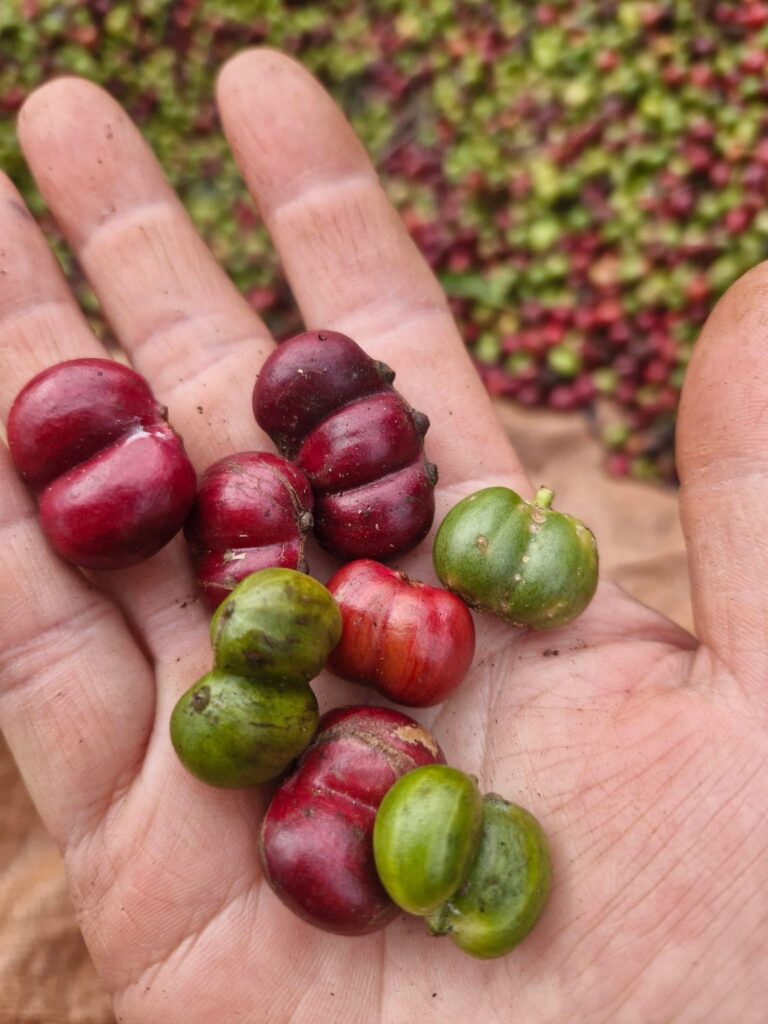
This growing interest in traceability creates an opportunity for Vietnamese coffee producers and suppliers to communicate the story behind the product.
Instead of simply selling:
Vietnamese coffee
producers can tell a much richer story:
Robusta coffee grown in Dak Lak, Vietnam, cultivated by local farmers in the Central Highlands and processed for international markets.
The origin becomes part of the value of the product.
10. Dak Lak Coffee Is More Than a Commodity
For many years, Vietnamese coffee has been strongly associated with large-scale Robusta production.
But the coffee industry is changing.
Consumers around the world are increasingly interested in:
- Specialty coffee
- Single-origin coffee
- Traceable coffee
- Sustainable farming
- Direct relationships with producers
- Unique processing methods
- Authentic agricultural experiences
This creates an opportunity to introduce Dak Lak coffee in a different way.
Instead of viewing coffee simply as a commodity, we can understand it as a product connected to:
land + farmers + culture + tradition + processing + people
This perspective allows international consumers to discover another side of Vietnamese coffee.
11. Visiting a Dak Lak Coffee Farm
One of the best ways to understand Dak Lak coffee is to visit a coffee farm.
During the harvest season, visitors can see coffee cherries growing on the trees and learn how farmers harvest and process them.
A farm visit may include:
- Walking through coffee plantations
- Learning about coffee cultivation
- Seeing coffee cherries at different stages of ripeness
- Learning about harvesting
- Visiting processing areas
- Tasting freshly roasted coffee
- Meeting local farmers
- Discovering Central Highlands culture
For travelers, this offers something very different from visiting an ordinary café.
Instead of simply drinking a cup of Vietnamese coffee, you can discover where that coffee begins.
12. The Connection Between Coffee and the Central Highlands
Dak Lak is not only about coffee.
The province is part of a fascinating cultural and natural region.
The Central Highlands is home to diverse ethnic communities, forests, waterfalls, traditional villages, agricultural landscapes, and distinctive cultural traditions.
Coffee farms exist within this larger ecosystem.
This means that a journey to Dak Lak can combine:
Coffee + Nature + Culture + Agriculture + Local People
For international visitors, this provides an opportunity to experience a side of Vietnam that is very different from the country’s major coastal cities and tourist destinations.
13. Why Is Dak Lak Coffee Considered a Specialty of Vietnamese Coffee?
So, what makes Dak Lak coffee special?
There is no single answer.
Its identity comes from the combination of several factors:
Natural Conditions
The Central Highlands provides favorable conditions for coffee cultivation, including fertile basaltic soils, suitable temperatures, rainfall, and elevation.
Robusta Heritage
Dak Lak is strongly associated with Vietnam’s Robusta coffee industry and has generations of experience in coffee cultivation.
Agricultural Tradition
Coffee farming has become an important part of the economic and cultural life of the region.
Vietnamese Coffee Culture
Dak Lak coffee is connected to the distinctive Vietnamese way of preparing and enjoying coffee.
Origin and Traceability
The region provides an identifiable origin that can help consumers and buyers understand where their coffee comes from.
International Potential
Dak Lak is connected to Vietnam’s established coffee export industry and has the potential to offer a wide range of coffee products to international markets.
Bringing the Taste of Dak Lak to the World
A cup of coffee can tell a story.
The story begins with the land.
It continues with the farmer who grows the coffee tree, the people who harvest the cherries, the processors who prepare the beans, and the roasters who develop their flavor.
Eventually, the journey ends in a cup of coffee somewhere around the world.
For us, Dak Lak coffee represents more than a Vietnamese agricultural product. It represents a connection between Vietnam’s Central Highlands and coffee lovers around the world.
At Green Authentic Vietnam, we believe that discovering Vietnamese agricultural products should begin with understanding their origin.
From the red soil of Dak Lak to the aroma in your coffee cup, every product carries a story of Vietnamese land, people, and tradition.
Taste Vietnam naturally. Discover Dak Lak coffee. And experience the story behind Vietnamese coffee.