When people think about coffee, they often think of Arabica. But there is another coffee species that plays a crucial role in the global coffee industry: Robusta Coffee.
Strong, aromatic, naturally rich in caffeine and well adapted to tropical climates, Robusta has become an essential part of the world’s coffee supply. And when it comes to Robusta production, Vietnam is one of the most important origins in the world.
From the volcanic highlands of Vietnam’s Central Highlands to international markets across Asia, Europe and beyond, Vietnamese Robusta Coffee has developed a distinctive place in the global coffee industry.
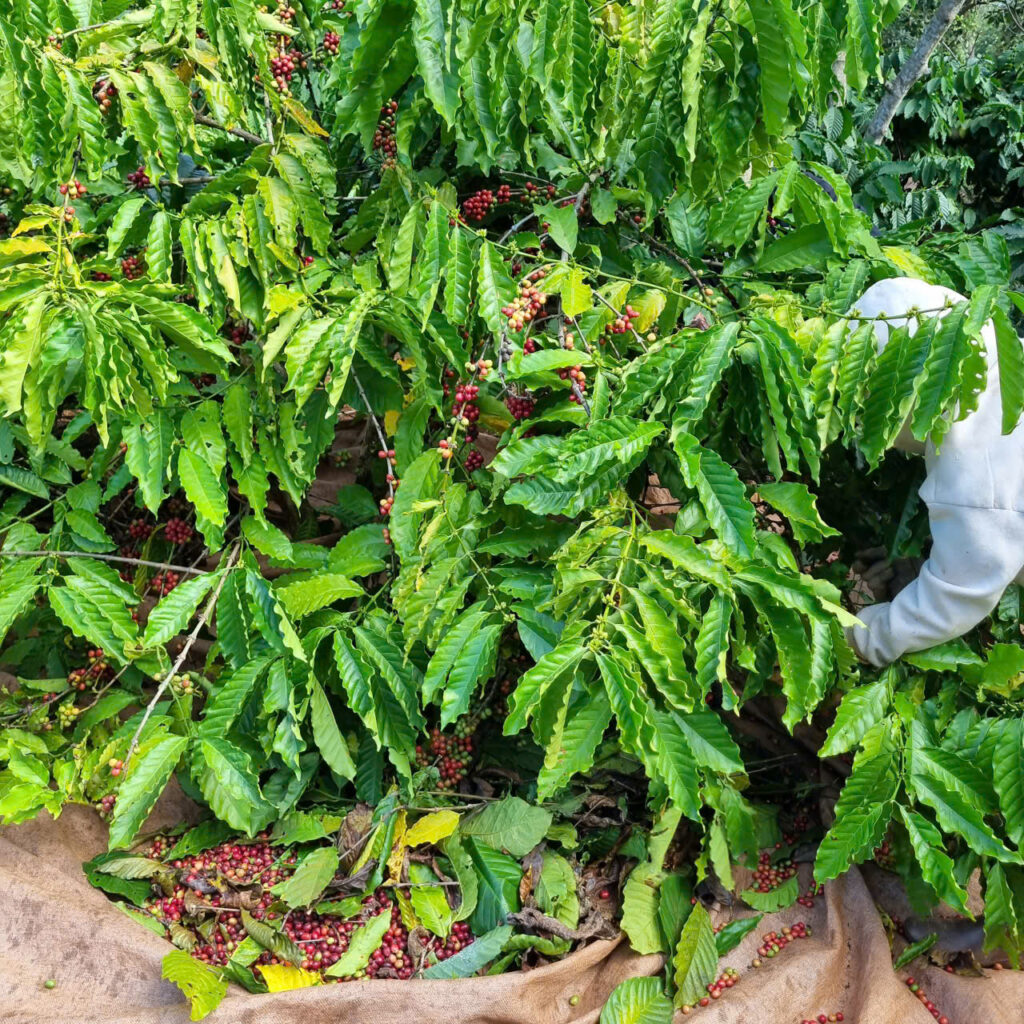
Among Vietnam’s major coffee-growing regions, Dak Lak is particularly important. Located in the Central Highlands, Dak Lak has a long history of coffee cultivation and is closely associated with Vietnam’s coffee identity.
At Green Authentic Vietnam, we believe that coffee is more than a commodity. It is connected to the land, farmers, agricultural traditions, local communities and the journey from farm to international market.
In this article, we explore what makes Robusta Coffee special, why Vietnam is famous for it, and why coffee from the Central Highlands deserves greater attention from international buyers and coffee lovers.
What Is Robusta Coffee?
Robusta Coffee generally refers to coffee produced from Coffea canephora, a coffee species known for its strength, resilience and distinctive flavor.
Compared with Arabica, Robusta plants are generally more tolerant of higher temperatures and certain environmental stresses. They can thrive in tropical regions where conditions may be challenging for other coffee varieties.
One of the characteristics that makes Robusta particularly interesting is its naturally higher caffeine content.
This contributes to the strong and intense character often associated with Robusta-based coffee.
Depending on the origin, cultivation method, processing technique and roasting profile, Robusta Coffee can have notes ranging from:
- Dark chocolate
- Cocoa
- Nuts
- Caramel
- Earthy tones
- Roasted grains
- Spices
- Dark fruit
The flavor profile can vary significantly depending on where and how the coffee is grown.
This is why Vietnamese Robusta Coffee should not be considered simply as a generic commodity. Coffee from different farms and regions can have very different characteristics.
Why Is Vietnam Famous for Robusta Coffee?
Vietnam has become internationally recognized as one of the world’s major Robusta-producing countries.
The country’s geography and tropical climate provide suitable conditions for large-scale coffee cultivation, particularly in the Central Highlands.
The region includes provinces such as Dak Lak, Lam Dong, Gia Lai and Kon Tum, where coffee farming has become an important part of the local agricultural economy.
Among these areas, Dak Lak Coffee has a particularly strong identity.
Dak Lak is located in Vietnam’s Central Highlands, an area characterized by elevated terrain, fertile soils and a climate suitable for coffee cultivation.
Coffee plantations are deeply connected with the landscape and rural life of the region.
For international buyers looking for Coffee from Vietnam, Dak Lak is therefore one of the origins worth exploring.
Dak Lak: One of Vietnam’s Most Important Coffee Regions
Dak Lak is often associated with Vietnam’s coffee culture.
The province has extensive coffee-growing areas and a large community of farmers whose livelihoods are connected to agriculture.
The landscape is particularly impressive during the coffee harvest season. Rows of coffee trees stretch across the highlands, while local farmers carefully collect ripe coffee cherries.
For visitors, experiencing Coffee Farms in Vietnam offers a completely different perspective from simply drinking coffee in a café.
You can see how coffee cherries grow, learn about harvesting and processing, and understand how much work is involved before a coffee bean reaches the final consumer.
This connection between agriculture, people and landscape is one of the reasons we believe that Vietnamese coffee should be experienced not only as a product but also as part of Vietnam’s cultural and agricultural heritage.
From Coffee Cherry to Vietnamese Coffee Bean
The journey of coffee begins long before roasting.
Coffee plants produce small fruits commonly called coffee cherries. When they reach maturity, the cherries are harvested and processed to remove the fruit surrounding the coffee seed.
The resulting green coffee beans can then be dried, stored, transported and eventually roasted.
The quality of the final coffee depends on many factors, including:
- Growing conditions
- Coffee variety
- Altitude
- Soil
- Weather
- Harvesting methods
- Processing
- Drying
- Storage
- Roasting
This means that producing high-quality Vietnamese Coffee Beans requires attention throughout the entire supply chain.
For international buyers, understanding this journey is particularly important.
A reliable coffee supplier should be able to provide information about the origin, processing and supply chain of the product.
Robusta Coffee and the Vietnamese Coffee Culture
Coffee in Vietnam is not simply an agricultural product. It has become an important part of everyday life.
Vietnamese coffee culture is famous for its strong flavor and distinctive preparation methods.
One of the best-known examples is Vietnamese iced coffee with condensed milk, commonly known as cà phê sữa đá.
Another iconic drink is Vietnamese egg coffee, which combines coffee with a creamy egg-based topping.
You can learn more about this fascinating tradition in our content about Vietnamese Coffee Culture.
The strong character of Robusta makes it particularly suitable for traditional Vietnamese coffee preparation.
Its intensity works well with milk, condensed milk and ice, creating a bold and satisfying drink.
This is one reason why Robusta has become deeply connected with the daily coffee culture of Vietnam.
What Does Vietnamese Robusta Coffee Taste Like?
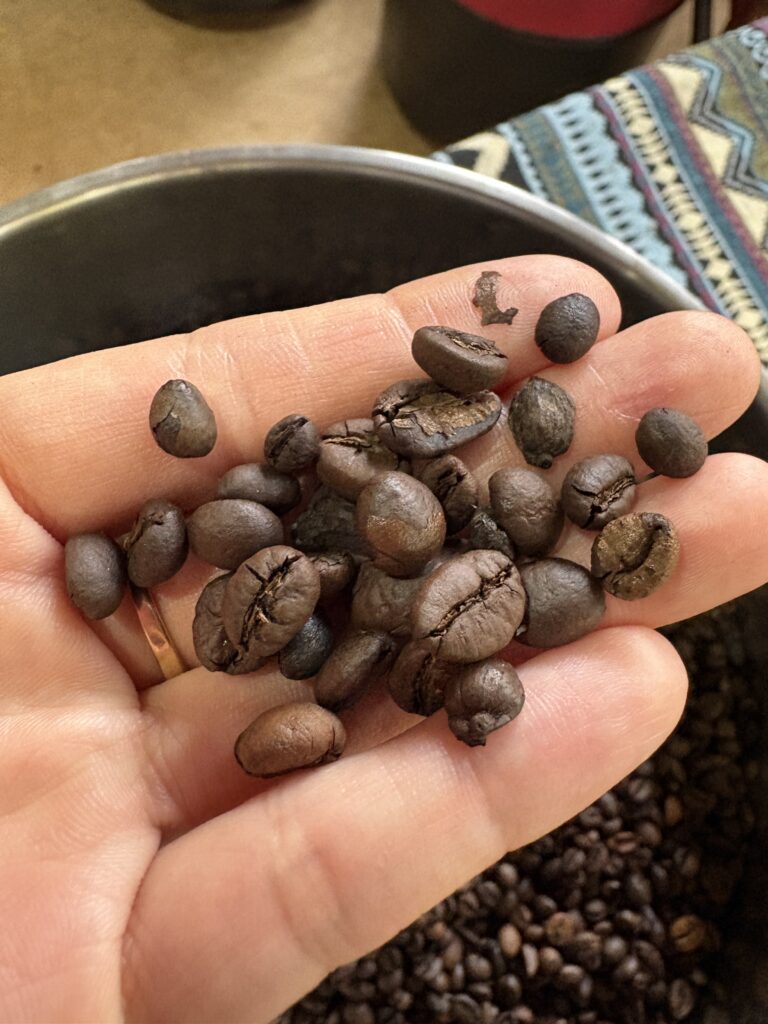
The taste of Robusta depends on its origin and processing, but it is generally associated with a stronger and more intense flavor than many Arabica coffees.
Vietnamese Robusta can offer a full-bodied cup with pronounced roasted, chocolate and nutty characteristics.
Some coffees may also display earthy, spicy or caramel-like notes.
However, it is important not to assume that every Robusta coffee tastes the same.
Growing conditions and processing methods can dramatically influence the final cup.
For example, carefully harvested and processed beans can produce a much cleaner and more balanced profile than lower-quality commodity coffee.
This is why origin, traceability and processing are becoming increasingly important for international coffee buyers.
Natural Strength and High Caffeine Content
One of the defining characteristics of Robusta Coffee is its naturally high caffeine content.
Caffeine is part of the coffee plant’s natural defense system and contributes to the distinctive strength of Robusta.
For consumers who enjoy a powerful coffee in the morning, Robusta can be an appealing choice.
It can also provide a strong base for espresso blends.
Many commercial coffee blends combine Arabica and Robusta to balance aroma, acidity, body and intensity.
Robusta can contribute body, crema and a deeper roasted character to an espresso.
This versatility helps explain why Robusta remains an important part of the international coffee market.
Robusta Coffee and the Central Highlands
The Central Highlands are at the heart of Vietnam’s coffee industry.
The region’s highland environment and agricultural traditions have helped coffee become one of its most recognizable products.
When we talk about Central Highlands Coffee, we are talking not only about beans but also about a landscape shaped by agriculture.
Coffee farms exist alongside other important crops, including pepper, cacao, avocado and tropical fruits.
This agricultural diversity creates opportunities for international buyers interested in sourcing multiple Vietnamese Agricultural Products from the same region.
At Green Authentic Vietnam, this connection between products and their origins is an important part of our approach.
We want international customers to understand where Vietnamese agricultural products come from and how they move from local farms toward global markets.
Beyond Coffee: Vietnam’s Agricultural Diversity
Vietnam is famous for much more than coffee.
The Central Highlands and other agricultural regions produce a wide range of tropical products.
These include:
- Coffee
- Cacao
- Black pepper
- Durian
- Avocado
- Tropical fruits
- Herbal products
- Tea
This diversity creates interesting opportunities for importers, distributors and businesses looking for authentic products from Vietnam.
For example, buyers interested in Robusta Coffee may also be interested in Vietnamese black pepper or cacao products.
The advantage of working with products from the same geographical region is that buyers can potentially develop a broader Vietnamese product portfolio while maintaining a strong story around origin and authenticity.
From Vietnamese Farms to International Markets
The international coffee market is highly competitive.
For farmers and suppliers, producing coffee is only one part of the process. The product must also be processed, packaged, transported and delivered according to international requirements.
This is where supply-chain transparency becomes increasingly important.
International buyers often want to understand:
- Where was the coffee grown?
- Who produced it?
- How was it processed?
- How was it stored?
- What type of packaging is available?
- What export quantities are possible?
- What quality standards are followed?
These questions are particularly important when establishing long-term relationships between Vietnamese producers and international buyers.
Our goal at Green Authentic Vietnam is to help create connections between Vietnamese farmers, agricultural suppliers and international businesses.
Robusta Coffee for Export
Vietnam’s position in the global coffee market creates opportunities for businesses looking to source coffee directly from Vietnam.
Coffee Export from Vietnam involves much more than simply purchasing beans.
Successful international trade requires coordination between suppliers, buyers, logistics providers and other partners.
Depending on the market, buyers may be looking for different formats, such as:
- Green coffee beans
- Roasted coffee
- Ground coffee
- Instant coffee
- Freeze-dried coffee
- Private-label coffee
- Bulk coffee for industrial use
The right product depends on the target market and the buyer’s business model.
For businesses interested in convenient Vietnamese coffee products, Freeze-Dried Coffee is another interesting category.
Freeze-drying allows coffee to be transformed into a convenient soluble format while maintaining much of its characteristic coffee aroma and flavor.
It can be prepared with hot or cold water, making it suitable for modern consumers who value convenience.
Why Traceability Matters
Today’s international consumers increasingly want to know the story behind the products they purchase.
Coffee is a particularly good example.
A package of coffee represents a long chain of activities involving farmers, processors, exporters, logistics companies, roasters and retailers.
Traceability helps connect the final product with its origin.
For buyers, better traceability can provide greater visibility into sourcing and supply-chain management.
For consumers, it can create a stronger connection with the farmers and landscapes behind their coffee.
For Vietnam, traceability can also help strengthen the international identity of regional products such as Dak Lak Coffee.
Authentic Vietnamese Coffee: More Than a Commodity
The word “authentic” is important when discussing agricultural products.
Authenticity is not simply about placing the word “Vietnam” on a package.
It is about understanding the product’s origin and maintaining a meaningful connection between the product and its source.
For coffee, this can mean knowing:
- The growing region
- The farm or supplier
- The processing method
- The type of coffee
- The harvest
- The supply chain
- The intended export market
At Green Authentic Vietnam, we want to highlight this connection.
Our concept is simple: Taste Vietnam Naturally.
Vietnamese agricultural products should be presented not only as commodities but as products connected to Vietnam’s landscapes, farmers and agricultural traditions.
Experience Coffee at the Farm
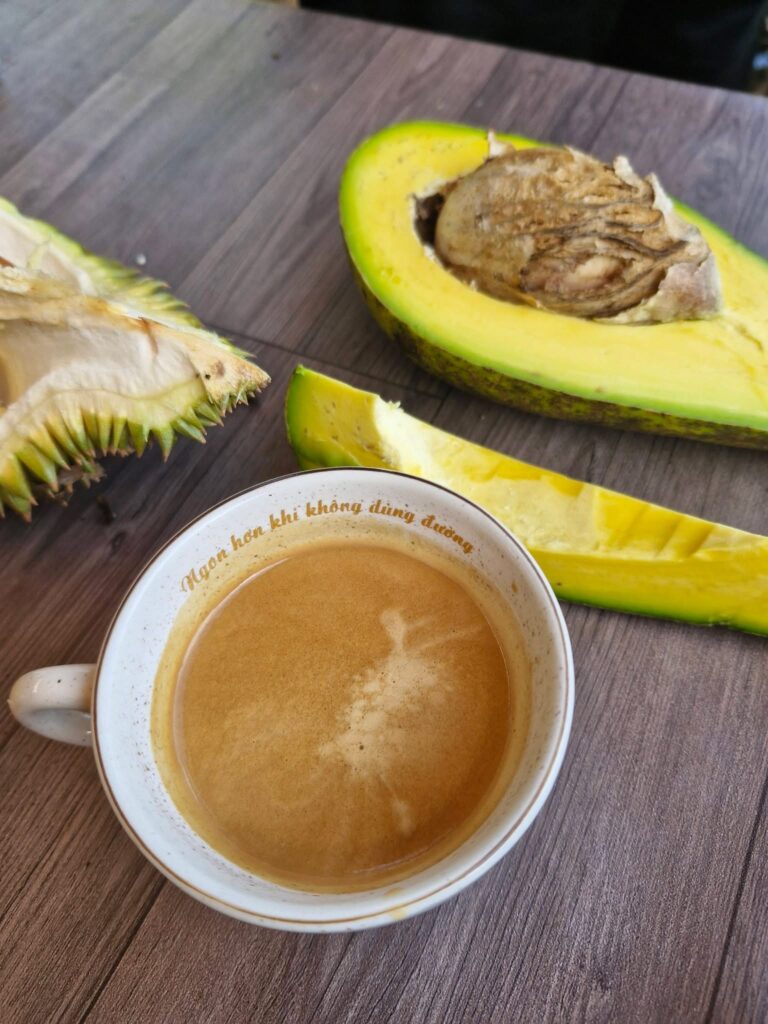
For travelers visiting Vietnam, coffee can also become a cultural experience.
Instead of drinking coffee only in an urban café, visitors can travel to the Central Highlands and experience the environment where coffee is produced.
A Dak Lak Farm Tour can introduce visitors to coffee plantations, local agricultural communities and the landscapes of the Central Highlands.
Depending on the season, visitors may be able to see coffee trees, learn about harvesting and processing, and taste freshly prepared local coffee.
Such experiences help bridge the gap between consumers and producers.
They also demonstrate that Vietnamese coffee is connected to a much larger story involving agriculture, nature, culture and local communities.
Why Choose Robusta Coffee from Vietnam?
There are many reasons why Vietnamese Robusta deserves attention.
First, Vietnam has extensive experience in Robusta cultivation.
Second, the Central Highlands provides an important geographical origin for coffee production.
Third, Vietnamese coffee culture has developed its own distinctive identity around strong, flavorful coffee.
Fourth, Vietnam offers opportunities for international buyers looking for different forms of coffee products.
Finally, coffee can be sourced as part of a broader portfolio of Vietnamese agricultural products.
For businesses looking beyond a single commodity, Vietnam offers an interesting combination of agricultural diversity, production experience and export potential.
Discover the Story Behind Vietnamese Coffee
A cup of coffee can tell a story.
It can tell the story of a farm in the Central Highlands, a farmer harvesting coffee cherries, a processor drying the beans, a logistics company transporting the product and a buyer introducing Vietnamese coffee to consumers in another part of the world.
This is the story we want to share.
Robusta Coffee is an important part of Vietnam’s agricultural identity, but its story goes far beyond the coffee bean itself.
It is a story about land, people, agriculture, trade and connection.
At Green Authentic Vietnam, we connect international businesses with authentic products from Vietnam, with a focus on origin, transparency and long-term relationships.
Whether you are looking for Vietnamese Robusta Coffee, Dak Lak Coffee, Vietnamese cacao, black pepper or other agricultural products, we invite you to discover Vietnam through its products and the people behind them.
Taste Vietnam Naturally
From the coffee farms of Dak Lak to international markets, Vietnamese agricultural products carry the story of a country rich in nature, agriculture and tradition.
Discover authentic products from Vietnam, explore the origins behind them, and connect with suppliers for your next sourcing opportunity.
Green Authentic Vietnam — Taste Vietnam Naturally.
Robusta Coffee is a coffee species known for its strong flavor, full body and naturally higher caffeine content. It is widely grown in tropical regions, especially in Vietnam’s Central Highlands.
Vietnam is one of the world’s major Robusta coffee origins. Its tropical climate, highland growing regions and long-established coffee industry provide suitable conditions for Robusta cultivation.
Dak Lak is one of Vietnam’s most important coffee-growing regions. Its Central Highlands location, agricultural traditions and extensive coffee plantations make Dak Lak closely associated with Vietnamese Robusta Coffee.
Vietnamese Robusta Coffee is typically known for its strong body and intense flavor, with possible notes of chocolate, cocoa, nuts, caramel and roasted grains. Flavor varies depending on origin, processing and roasting.
Yes. Vietnam has an established coffee supply chain and offers different forms of coffee for international markets, including green beans, roasted coffee, ground coffee and freeze-dried coffee. Green Authentic Vietnam can help connect international businesses with Vietnamese agricultural suppliers.