Why Vietnam Is an Important Destination for Coffee Sourcing
Vietnam has established itself as one of the world’s leading coffee-producing countries, making it an important destination for international buyers looking for reliable coffee suppliers. From large-scale Robusta production in the Central Highlands to specialty Arabica grown in selected highland regions, Vietnam offers a wide range of coffee products for importers, roasters, distributors, and private-label brands.
However, finding the right coffee supplier in Vietnam involves more than comparing prices. International buyers increasingly consider product quality, traceability, agricultural practices, food safety, and the long-term reliability of their supply chains.
For businesses looking for Vietnamese coffee that combines commercial value with responsible sourcing, Green Authentic Vietnam offers a fresh approach to connecting international buyers with carefully selected agricultural products from Vietnam.
Although Green Authentic Vietnam is a new company in the market, our focus is clear: building transparent relationships with local coffee-growing partners and helping international customers access coffee sourced with care for nature, farmers, and consumers.
Our sourcing approach places particular emphasis on Dak Lak, one of Vietnam’s most recognized coffee-producing provinces, and on coffee grown through agricultural practices designed to reduce environmental impact.
In this guide, we explore Vietnam’s coffee industry, explain what to look for when choosing coffee suppliers, and discuss how responsible sourcing can create long-term value for international buyers.
1. Why Source Coffee from Vietnam?
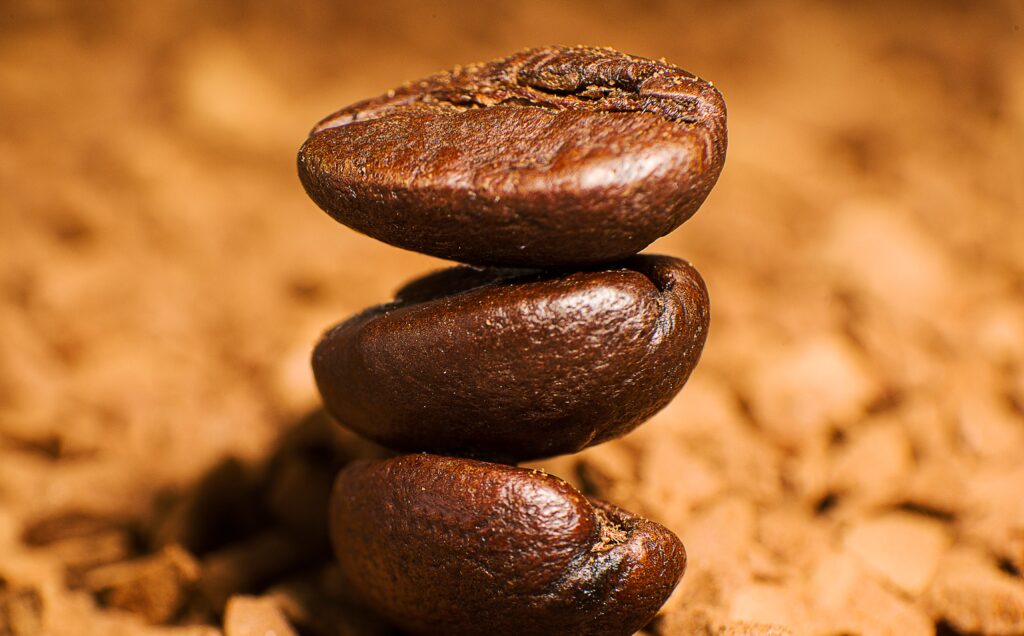
Vietnam is internationally recognized for its large Robusta coffee production. Its tropical climate, fertile soils, and established coffee-growing regions make the country an important origin for commercial coffee and a growing range of value-added products.
Vietnamese coffee is particularly attractive to buyers for several reasons.
A strong supply of Robusta coffee
Robusta accounts for the majority of Vietnam’s coffee production. It is valued for its bold flavor, full body, and relatively high caffeine content compared with Arabica.
Vietnamese Robusta is widely used in espresso blends, instant coffee, ready-to-drink beverages, and traditional coffee products.
For importers and manufacturers, Vietnamese Robusta offers opportunities to develop products across different price points while maintaining a distinctive coffee profile.
Competitive sourcing opportunities
Vietnam’s established coffee-growing and processing industries provide international buyers with access to green coffee beans, roasted coffee, ground coffee, and soluble coffee products.
The most suitable product depends on the buyer’s business model, target market, quality requirements, and available processing facilities.
When comparing coffee suppliers in Vietnam, buyers should evaluate the complete offer rather than focusing on the lowest quotation. Moisture content, defect rates, cup quality, packaging, shipping terms, and consistency between shipments can all affect the final cost.
A growing focus on sustainability
Sustainability is becoming increasingly important in international agricultural trade. Importers want to understand where their products originate, how crops are cultivated, and what measures suppliers take to protect the environment.
Vietnam’s diverse agricultural landscape creates opportunities to work with growers who prioritize soil health, responsible water management, biodiversity, and reduced reliance on synthetic agricultural chemicals.
At Green Authentic Vietnam, we believe that the future of coffee sourcing should combine dependable supply with greater attention to the natural environment.
2. Dak Lak Coffee: Sourcing from Vietnam’s Central Highlands
Dak Lak, located in Vietnam’s Central Highlands, is one of the country’s most important coffee-producing provinces. Its coffee-growing areas are particularly associated with Robusta, which has become an essential part of Vietnam’s coffee identity.
For international buyers, Dak Lak is an attractive sourcing destination because it offers access to established coffee-growing communities and a strong agricultural tradition.
What makes Dak Lak coffee distinctive?
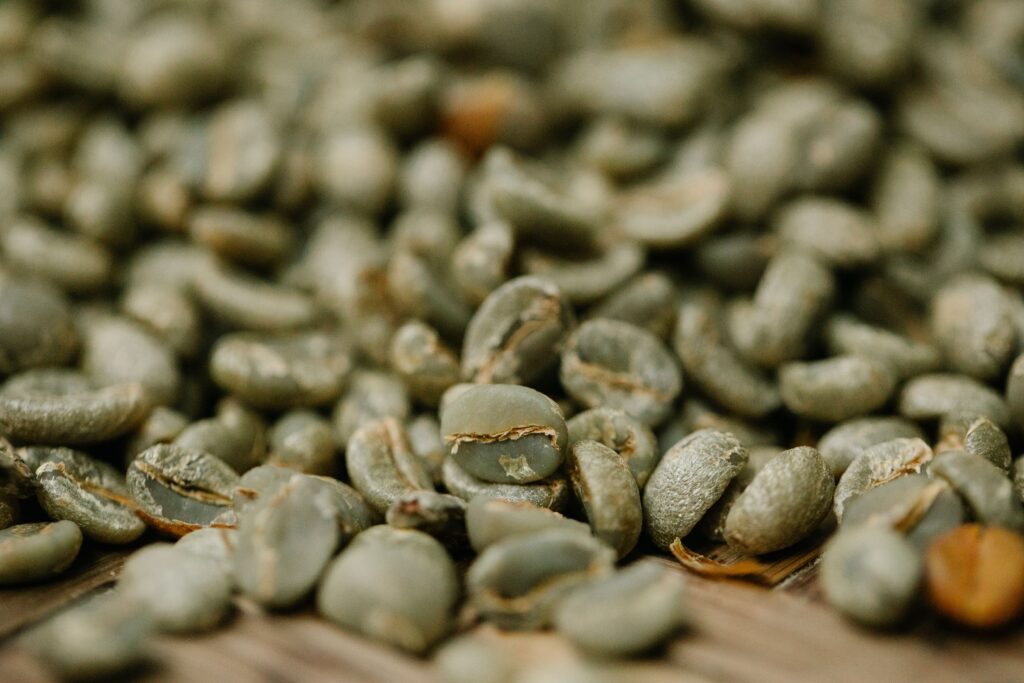
Coffee from Dak Lak is often associated with a bold body, rich aroma, and pronounced roasted, chocolate-like, or nutty notes, although the final flavor depends on the variety, growing conditions, harvest maturity, processing method, and roasting profile.
These characteristics make Dak Lak Robusta suitable for:
- Espresso blends requiring body and crema.
- Traditional Vietnamese-style coffee.
- Instant coffee and soluble coffee production.
- Commercial roasting and private-label products.
- Blends designed for consumers who prefer a strong coffee profile.
The province also provides opportunities for buyers interested in understanding the origin of their coffee and developing closer relationships with local agricultural producers.
Why origin matters when choosing a supplier
The phrase “Vietnamese coffee” can cover products from different regions, farms, harvests, and processing systems. Buyers who need consistent quality should ask suppliers to identify the province of origin and, where possible, the producing area, harvest period, processing method, and batch identification.
At Green Authentic Vietnam, we place importance on sourcing coffee from Vietnam’s Central Highlands, with a particular focus on Dak Lak.
Our objective is to build a supply chain in which customers can better understand where their coffee comes from, how it is handled, and what quality controls apply before export.
3. How to Find Reliable Coffee Suppliers in Vietnam
Choosing a coffee supplier is a business decision that can affect product quality, customer satisfaction, and profitability for years.
Whether you are an importer, wholesaler, roaster, or food manufacturer, the following factors can help you assess potential partners.
1. Verify the origin of the coffee
A reliable supplier should be able to explain where the coffee was grown and how the product moves from the farm or collection point to processing and export.
Depending on the supply chain, useful information may include:
- Province and growing area.
- Farm or producer-group information, where available.
- Harvest season and coffee variety.
- Processing and storage methods.
- Batch records and traceability documents.
The level of traceability available may vary between suppliers. Ask for documentation appropriate to your requirements rather than relying solely on general statements about origin.
2. Request product specifications and samples
Before placing a commercial order, buyers should review a product specification sheet and evaluate representative samples.
For green coffee beans, relevant parameters may include moisture content, screen size, defects, foreign matter, and cup quality. For roasted or soluble coffee, additional requirements may apply.
Samples allow buyers to evaluate aroma, taste, body, consistency, and suitability for their intended application.
Green Authentic Vietnam encourages a sourcing process based on clear product requirements and sample evaluation before larger commercial commitments.
3. Check food safety and pesticide requirements
Food safety is essential when importing coffee into international markets.
Buyers should clarify whether the supplier can provide pesticide-residue testing, microbiological testing where relevant, heavy-metal testing where required, and other documentation specified by the destination country’s regulations or the buyer’s quality standards.
Testing requirements differ depending on the product, market, and intended use. Independent laboratory testing can help verify that a particular batch meets the applicable limits.
For importers seeking coffee produced without the use of synthetic pesticides, it is important to distinguish between a supplier’s stated agricultural practices and independently verified product claims.
4. Evaluate consistency and supply capacity
A supplier should be able to explain the quantities available, minimum order quantities, packaging options, lead times, and expected seasonal availability.
New suppliers may be suitable for buyers seeking flexible sourcing arrangements, but purchasing decisions should be based on demonstrated capacity, clear commitments, and the ability to fulfill the agreed specifications.
For a new commercial relationship, starting with a sample order or a manageable trial shipment can help both parties assess product quality and operational performance.
5. Review export documentation and shipping arrangements
International coffee transactions may require commercial invoices, packing lists, certificates of origin, phytosanitary or other relevant documents where applicable, and supporting food safety documentation.
Requirements depend on the product classification and destination market.
Before confirming an order, buyers should agree on the Incoterms, payment terms, packaging, shipment schedule, and responsibility for export and import procedures.
A professional supplier should communicate these requirements clearly and work with qualified logistics partners when needed.
4. Pesticide-Free Coffee and Environmentally Responsible Farming
One of the most important considerations for responsible coffee sourcing is how the coffee is cultivated.
Coffee production takes place within an agricultural ecosystem that includes soil organisms, insects, trees, water resources, and other forms of biodiversity. Agricultural practices can influence the health and resilience of this ecosystem.
At Green Authentic Vietnam, we aim to develop coffee sourcing relationships that prioritize environmentally responsible cultivation and the reduction or avoidance of synthetic agricultural chemicals.
What does pesticide-free coffee mean?
The term “pesticide-free coffee” generally suggests that pesticides have not been used during cultivation or that the product meets a clearly defined pesticide-free standard. However, the term can be interpreted differently depending on the producer, buyer, and market.
Coffee grown without intentional pesticide application may still require testing to assess possible residues from environmental exposure, neighboring farms, storage, or handling.
For this reason, responsible suppliers should support their claims with appropriate farm records, clear sourcing information, and laboratory testing when required.
A pesticide-residue test can demonstrate whether the tested sample contains particular residues above the laboratory’s detection or quantification limits. It cannot, by itself, prove that no pesticides were ever used throughout the crop’s entire history.
Similarly, a claim of organic certification should only be made when the product and its supply chain meet the relevant certification requirements.
Building a healthier coffee-growing ecosystem
Environmentally responsible coffee cultivation can involve several practices:
- Reducing synthetic pesticide use: Using preventive agricultural methods and integrated pest management where appropriate.
- Improving soil health: Maintaining organic matter, reducing erosion, and supporting soil structure.
- Protecting water resources: Managing irrigation and agricultural runoff responsibly.
- Encouraging biodiversity: Maintaining suitable shade trees, vegetation, and habitat where compatible with the growing system.
- Using agricultural inputs responsibly: Applying fertilizers and crop-protection products according to appropriate practices and legal requirements.
Not every farm follows the same approach, and not every practice is suitable for every growing condition. The objective is to work with producers who can demonstrate their methods and improve environmental performance over time.
For Green Authentic Vietnam, sourcing coffee with care for the ecosystem is not simply a marketing message. It is a direction for building long-term relationships with growers and developing a more transparent agricultural supply chain.
5. Why Choose Green Authentic Vietnam as Your Coffee Sourcing Partner?
Green Authentic Vietnam is a new company entering the Vietnamese agricultural export market with a focus on connecting international buyers with products sourced from local producers.
We recognize that trust must be earned. Rather than relying on claims about a long operating history, we aim to build confidence through clear communication, transparent product information, and a sourcing process tailored to each customer’s requirements.
A focus on Vietnamese origin
Our sourcing activities focus on agricultural products from Vietnam, including coffee from Dak Lak and the Central Highlands.
By emphasizing regional origin, we help buyers explore the characteristics of Vietnamese coffee and identify products that fit their business needs.
Responsible sourcing principles
We prioritize coffee sourcing relationships that emphasize responsible agricultural practices, care for the natural environment, and reduced reliance on synthetic pesticides and other agricultural chemicals.
Where buyers require pesticide-residue testing or other verification, the applicable documentation and testing arrangements should be agreed upon for the specific product and batch.
Our goal is to make responsible sourcing more practical by connecting buyers with producers who share these priorities.
Flexible cooperation for international buyers
Different customers have different sourcing needs. A coffee roaster may prioritize cup profile and consistency, while an importer may focus on volume, specifications, logistics, and documentation.
Green Authentic Vietnam aims to understand these requirements before proposing suitable sourcing options.
Potential cooperation may include:
- Vietnamese Robusta green coffee beans.
- Coffee products selected according to customer specifications.
- Origin-focused sourcing from Dak Lak and the Central Highlands.
- Product samples and preliminary quality evaluation.
- Coordination of relevant quality documents and export arrangements.
Availability, minimum quantities, processing options, and delivery schedules are confirmed according to the product and order.
A connection between local producers and global markets
We believe that Vietnamese agricultural products deserve to be presented internationally with greater attention to their origin, production methods, and the people behind them.
Our role is to help bridge the gap between local agricultural supply and international demand by developing clear communication and practical sourcing relationships.
For buyers who value origin, product quality, and environmental responsibility, this approach offers a starting point for building long-term cooperation.
6. Which Vietnamese Coffee Product Is Right for Your Business?
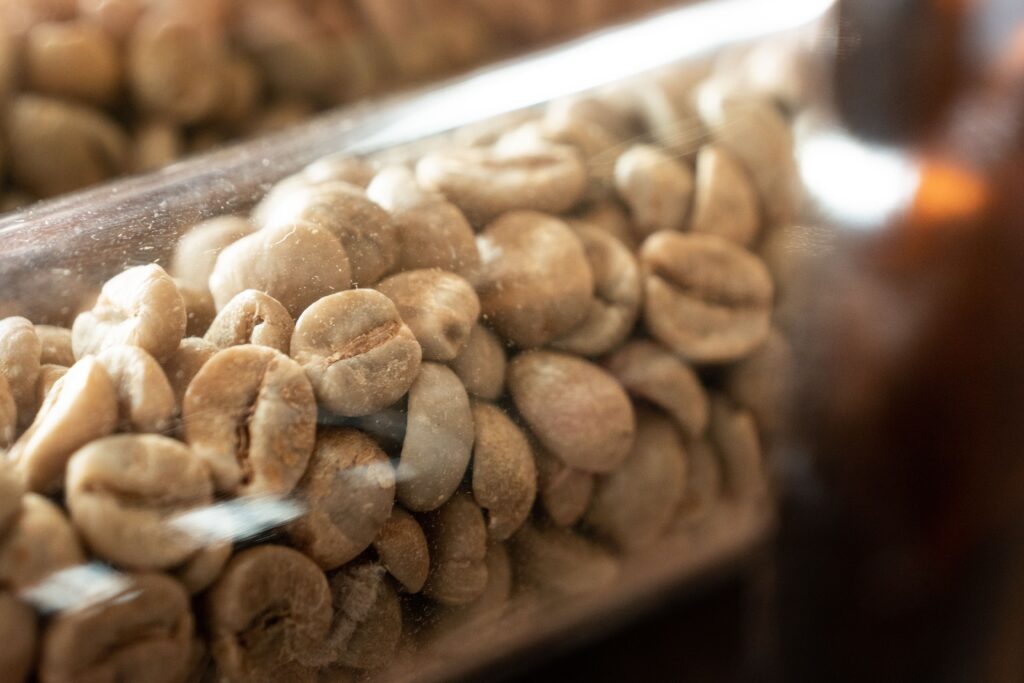
The right product depends on your target customers, production requirements, and market positioning.
| Product | Potential applications | Important purchasing considerations |
|---|---|---|
| Green Robusta beans | Importing, roasting, wholesale | Grade, moisture, defects, origin, cup profile |
| Roasted coffee beans | Retail, cafés, private-label brands | Roast profile, freshness, packaging |
| Ground coffee | Retail and food service | Grind size, flavor consistency, shelf life |
| Freeze-dried coffee | Instant beverages and private-label products | Solubility, sensory profile, specifications, packaging |
| Custom coffee blends | Roasters and beverage manufacturers | Blend composition, consistency, target flavor |
Vietnam’s coffee industry offers opportunities across these categories, but not every supplier handles every product.
When contacting Green Authentic Vietnam, buyers can explain their preferred product, expected volume, target market, quality specifications, and any pesticide-residue or environmental requirements.
This information helps us assess suitable sourcing options and determine the documentation needed before moving forward.
7. Frequently Asked Questions About Coffee Suppliers in Vietnam
Who are the main coffee suppliers in Vietnam?
Vietnam has a diverse coffee supply chain that includes farmers, cooperatives, processors, domestic traders, exporters, and international trading companies. Buyers should evaluate potential suppliers according to product quality, traceability, export experience, documentation, and the ability to fulfill their specific requirements.
Is Dak Lak a good place to source Vietnamese Robusta coffee?
Dak Lak is one of Vietnam’s key Robusta-producing regions. It is worth considering for buyers seeking Vietnamese coffee with a bold profile and access to an established coffee-growing area. Product samples and batch-specific specifications remain important when assessing individual suppliers.
Can I buy pesticide-free coffee from Vietnam?
Potentially, but buyers should verify the meaning of the claim and the evidence available for the particular product. Farm records, details of agricultural practices, appropriate pesticide-residue testing, and relevant certifications can help establish whether the product meets the buyer’s requirements.
Does pesticide-free coffee mean organic coffee?
No. Pesticide-free and organic are not interchangeable terms. Organic certification generally involves specific production standards, permitted inputs, recordkeeping, and certification procedures. A supplier should not describe coffee as certified organic without valid certification covering the product and relevant supply chain.
How can international buyers start working with Green Authentic Vietnam?
Buyers can contact Green Authentic Vietnam with their preferred coffee product, estimated order volume, destination country, quality specifications, and required documentation. We can then discuss potential sourcing options, sample evaluation, and the next steps for commercial cooperation.
Finding the Right Coffee Supplier in Vietnam
Choosing among coffee suppliers in Vietnam means looking beyond price and availability. Product quality, traceability, food safety, consistent specifications, and responsible agricultural practices all contribute to a successful sourcing relationship.
Dak Lak and the Central Highlands offer an important starting point for buyers interested in Vietnamese Robusta coffee. At the same time, the growing emphasis on sustainability creates opportunities to develop supply chains that pay greater attention to soil health, biodiversity, and the responsible use of agricultural inputs.
Green Authentic Vietnam is a new participant in this market, with a clear ambition: to connect international buyers with Vietnamese agricultural products through transparent sourcing, reliable communication, and a strong commitment to environmental responsibility.
We aim to work with coffee-growing partners who prioritize careful cultivation and can support customer requirements with appropriate product information and verification.
Looking for a coffee supplier in Vietnam?
Contact Green Authentic Vietnam to discuss Vietnamese Robusta coffee, Dak Lak coffee sourcing, product samples, wholesale requirements, and export cooperation.
Together, we can explore coffee sourcing opportunities that connect Vietnamese agricultural origins with international markets while keeping quality, transparency, and nature in focus.
Green Authentic Vietnam — Connecting Vietnamese agricultural origins with responsible global sourcing.