
Does Vietnam grow coffee? Absolutely. Vietnam is one of the world’s most important coffee-producing countries and is particularly well known for its high-quality Robusta coffee. From the volcanic highlands of Dak Lak to the coffee-growing areas of Lam Dong, Gia Lai and Dak Nong, coffee has become an important part of Vietnam’s agricultural economy, culture and export industry.
Vietnamese coffee is also becoming increasingly popular around the world. Its strong flavor, distinctive preparation methods and connection with the country’s rich agricultural traditions make Vietnam coffee an interesting product for both consumers and international buyers.
But how did coffee become such an important crop in Vietnam? Where is coffee grown? What types of coffee does Vietnam produce? And why is Dak Lak coffee so famous?
Let’s explore Vietnam’s coffee industry and discover why the country has become one of the world’s major coffee origins.
Does Vietnam Grow Coffee?
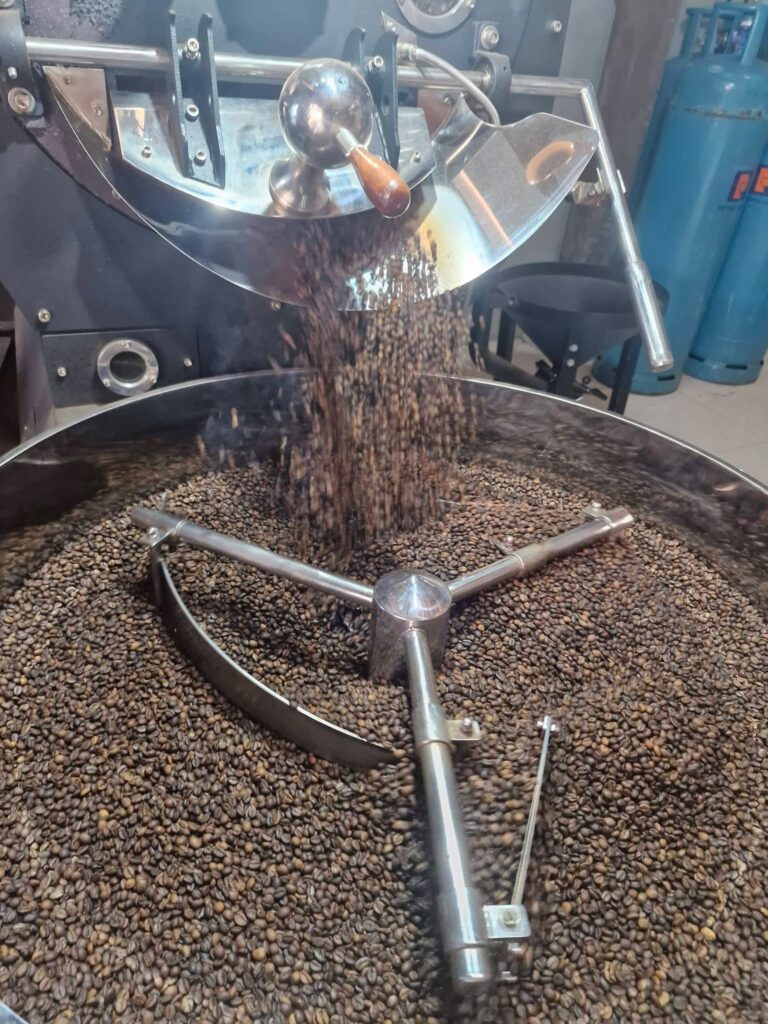
Yes, Vietnam grows coffee on a large scale.
Coffee was introduced to Vietnam during the French colonial period in the 19th century. Over time, Vietnamese farmers developed extensive experience in growing coffee, particularly in the country’s Central Highlands.
Today, coffee plantations can be found mainly in the Central Highlands, where the climate, altitude, soil and rainfall create favorable conditions for coffee cultivation.
The most important coffee-growing provinces include:
- Dak Lak
- Lam Dong
- Dak Nong
- Gia Lai
- Kon Tum
Among these regions, Dak Lak is particularly famous for its coffee production and is often considered one of the heartlands of Vietnamese coffee.
The Central Highlands have become closely associated with coffee farming. Vast plantations stretch across the highlands, where coffee trees grow alongside other agricultural crops.
Why Is Vietnam Good for Growing Coffee?
Vietnam has several natural advantages that make it suitable for coffee cultivation.
1. Tropical climate
Coffee plants generally require warm temperatures, sufficient rainfall and appropriate seasonal conditions.
Vietnam’s tropical and subtropical climate provides suitable growing conditions in many parts of the country.
The Central Highlands are particularly suitable because the region has a relatively distinct dry and rainy season.
This seasonal pattern can be beneficial for coffee production. Rain supports the growth of coffee trees, while a dry period helps farmers manage harvesting and post-harvest processing.
2. Volcanic and fertile soils
Another important factor is soil.
Many coffee-growing areas in Vietnam have fertile basaltic soil, particularly in the Central Highlands. This type of soil is rich in minerals and is widely associated with agricultural production in the region.
The combination of fertile soil, suitable temperatures and highland conditions provides an excellent environment for coffee trees.
3. Highland geography
Coffee production in Vietnam is strongly connected to altitude.
Different coffee varieties perform better under different environmental conditions. In Vietnam, Arabica is often associated with higher-altitude areas, while Robusta has become particularly successful across the Central Highlands.
The landscape of the region therefore plays an important role in determining what varieties farmers grow.
What Type of Coffee Does Vietnam Grow?
Vietnam produces several types of coffee, but Robusta coffee is by far the most important.
The two coffee species most commonly discussed are:
- Coffea robusta / Robusta
- Coffea arabica / Arabica
Vietnam is particularly famous for Robusta.
Vietnamese Robusta Coffee
Vietnam has become one of the world’s leading producers and exporters of Robusta coffee.
Robusta beans are known for their:
- Strong flavor
- Higher caffeine content compared with Arabica
- Full body
- Bitterness
- Distinctive earthy and nutty characteristics
These characteristics make Vietnamese Robusta particularly suitable for strong coffee beverages and espresso blends.
Vietnamese coffee culture has also developed around bold, concentrated coffee.
The famous Vietnamese cà phê sữa đá, or Vietnamese iced coffee with condensed milk, is a perfect example.
Strong brewed coffee is combined with sweetened condensed milk and ice to create a rich and refreshing drink.
For many international visitors, Vietnamese coffee is one of the most memorable parts of traveling in Vietnam.
Where Is Coffee Grown in Vietnam?
The majority of Vietnam’s coffee production is concentrated in the Central Highlands.
Let’s look at some of the most important coffee-growing regions.
Dak Lak Coffee
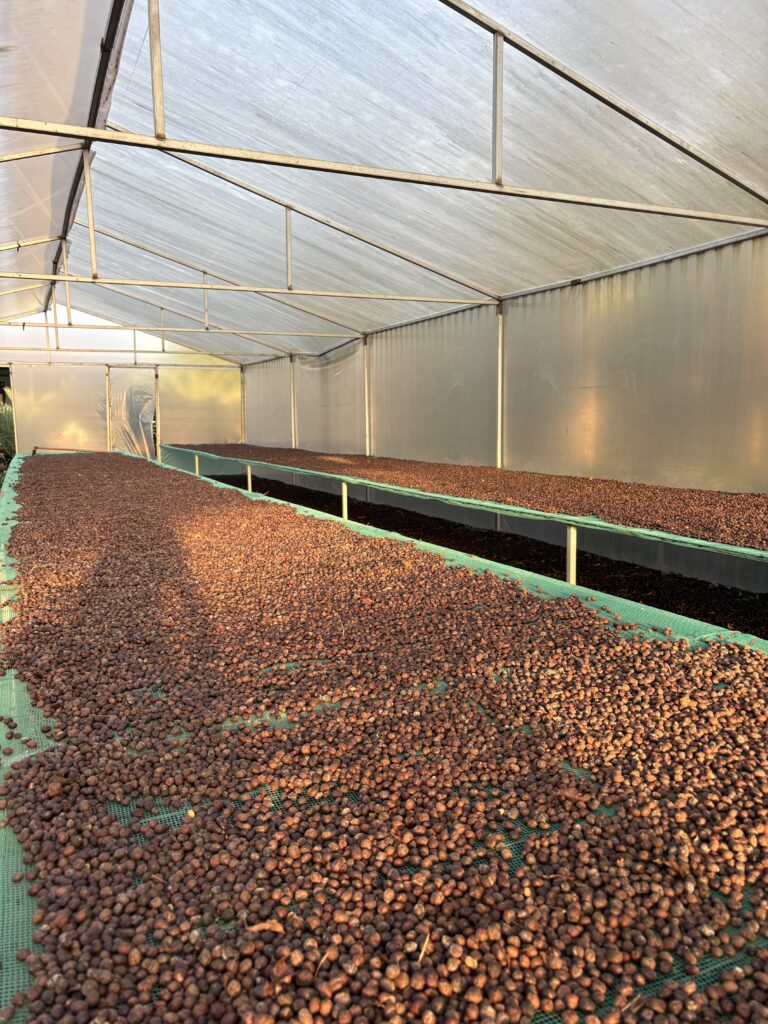
Dak Lak is one of the most famous coffee-producing regions in Vietnam.
Located in the Central Highlands, Dak Lak has a long history of coffee cultivation and is strongly associated with Vietnamese Robusta.
The province’s red basaltic soil, climate and highland landscape provide favorable conditions for coffee production.
The city of Buon Ma Thuot is particularly well known for coffee.
Buon Ma Thuot is sometimes described as the coffee capital of Vietnam because of its strong connection with the country’s coffee industry.
Visitors to Dak Lak can experience coffee plantations, traditional coffee processing and local coffee culture.
For international buyers, Dak Lak is also an important sourcing region for Vietnamese coffee.
Lam Dong Coffee
Lam Dong is another major coffee-producing province.
The area around Da Lat is particularly famous for agricultural production, while other parts of Lam Dong are important for coffee cultivation.
Compared with many Robusta-growing areas, Lam Dong also has favorable conditions for Arabica coffee.
The region’s cooler climate and higher elevations can provide suitable conditions for specialty coffee production.
This makes Lam Dong an interesting region for buyers looking beyond traditional Vietnamese Robusta.
Dak Nong Coffee
Dak Nong is another important coffee-growing area in the Central Highlands.
Its highland environment and fertile soils support extensive coffee cultivation.
Coffee is an important source of income for many farming communities in the province.
Gia Lai Coffee
Gia Lai also has a long history of coffee production.
The province has extensive agricultural land and favorable conditions for growing Robusta.
Together, Dak Lak, Dak Nong, Gia Lai and other Central Highlands provinces form one of the most important coffee-producing regions in Vietnam.
How Is Coffee Grown in Vietnam?
Coffee farming in Vietnam involves several stages.
1. Planting coffee trees
Coffee farmers usually begin with young coffee seedlings.
Farmers select varieties according to local environmental conditions, market demand and farming practices.
Coffee trees require appropriate spacing, water and nutrients to develop properly.
2. Caring for the coffee plants
During the growing season, farmers take care of the trees by managing:
- Water
- Soil nutrients
- Shade
- Weeds
- Pests
- Plant diseases
Some farms use irrigation systems, especially during the dry season.
Sustainable farming practices are becoming increasingly important as farmers and businesses focus on reducing environmental impact and improving long-term productivity.
3. Coffee flowering
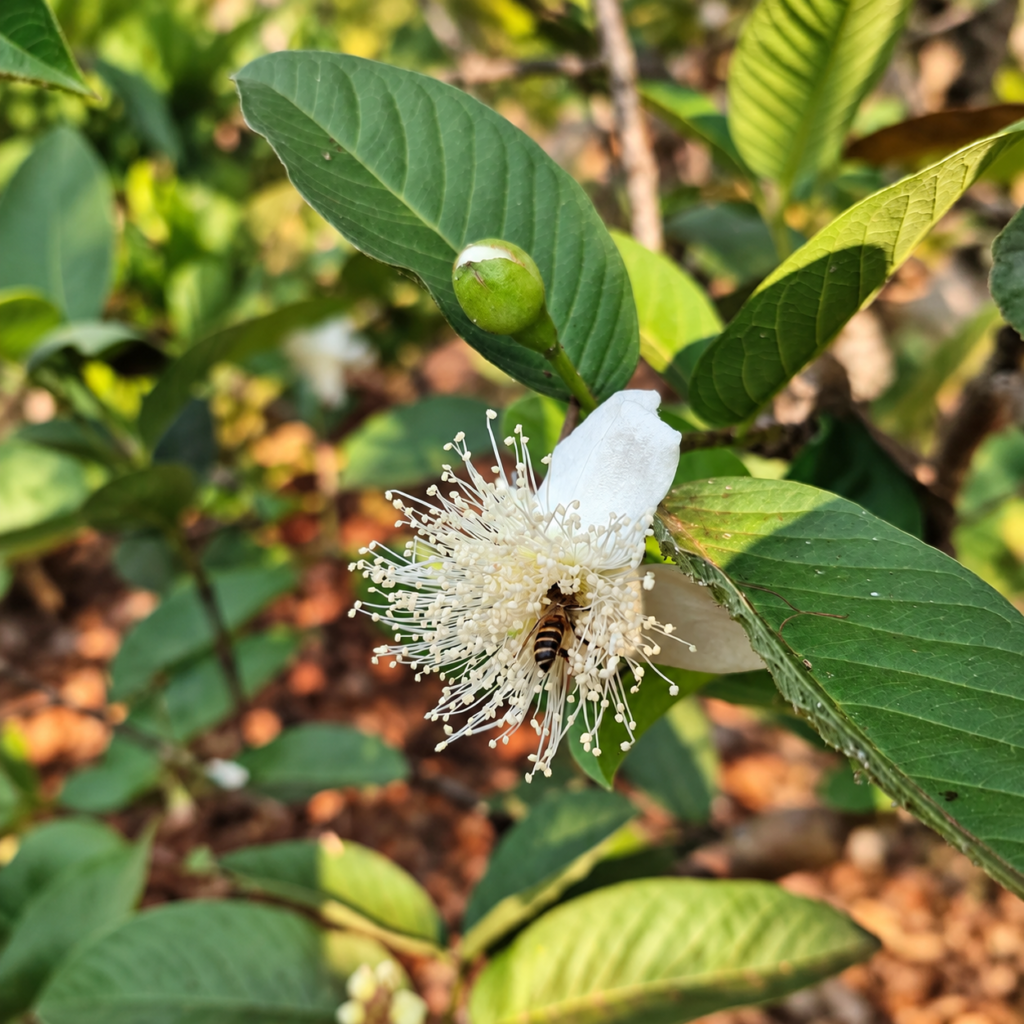
Coffee plants produce small white flowers that have a distinctive fragrance.
After flowering, the plants gradually develop coffee cherries.
The cherries change color as they mature.
When ripe, they usually become red or dark red depending on the variety.
4. Harvesting
Vietnamese coffee is harvested mainly during the dry season.
Farmers collect ripe coffee cherries from the trees.
Depending on the farm and production method, coffee may be harvested manually or with mechanical assistance.
Selective harvesting can help improve quality because only ripe cherries are collected.
5. Processing
After harvesting, coffee cherries must be processed.
Several methods can be used, including:
- Natural processing
- Washed processing
- Honey processing
The choice of processing method affects the flavor, aroma and characteristics of the final coffee.
After processing and drying, coffee beans are prepared for storage, roasting or export.
Why Is Vietnamese Robusta Coffee Important?
Vietnamese Robusta has become important to the international coffee industry because it provides a significant supply of Robusta beans for global markets.
Robusta is widely used in:
- Espresso blends
- Instant coffee
- Ready-to-drink coffee
- Commercial coffee products
- Specialty Robusta products
Robusta’s strong body and relatively high caffeine content make it useful for creating particular flavor profiles and adding intensity to blends.
Vietnam’s scale of production also makes it an important origin for international coffee companies and traders.
However, Vietnamese coffee is not only about quantity.
In recent years, increasing attention has been placed on quality, traceability, sustainable agriculture, specialty coffee and improved processing techniques.
This is creating new opportunities for Vietnamese coffee farmers and exporters.
Is Vietnam a Major Coffee Exporter?
Yes. Vietnam is one of the world’s major coffee exporters, particularly for Robusta coffee. The country’s large production capacity and strong position in the global Robusta market have made Vietnamese coffee an important part of the international coffee supply chain.
Vietnam’s coffee industry has also experienced a significant increase in export value in recent years, driven not only by production but also by higher international coffee prices and growing demand for Vietnamese coffee.
Vietnam’s Coffee Export Statistics
According to the USDA Foreign Agricultural Service, Vietnam’s coffee exports in marketing year 2024/25 were estimated at approximately 27.9 million 60-kilogram bags, equivalent to around 1.67 million tonnes of green coffee equivalent.
Even more striking was the value of these exports.
During MY 2024/25, Vietnam’s average coffee export price reached approximately US$5,642 per tonne, representing a 143% increase compared with the previous marketing year. As a result, the total value of Vietnam’s coffee exports reached a record US$8.3 billion.
This makes coffee one of Vietnam’s most valuable agricultural export products.
Vietnam’s Position in the Global Coffee Market
USDA data also highlights Vietnam’s position as one of the world’s largest coffee exporters.
For MY 2024/25, Vietnam exported approximately 24.6 million 60-kg bags of green coffee beans, equivalent to about 1.48 million tonnes of green coffee beans. This placed Vietnam second globally in green coffee bean exports, behind Brazil in the USDA’s December 2025 global coffee estimates.
Vietnam is particularly important in the Robusta coffee market.
The USDA estimates that Vietnam’s MY 2025/26 production could reach approximately 31 million 60-kg bags, including around 30 million bags of Robusta and approximately 1 million bags of Arabica.
This means Robusta remains at the center of Vietnam’s coffee industry.
The Future of Vietnam Coffee Exports
The future of Vietnam’s coffee industry is likely to involve more than simply increasing production.
The industry is increasingly focused on:
- Higher-quality coffee
- Sustainable farming
- Traceable supply chains
- Premium Robusta
- Specialty coffee
- Roasted coffee
- Instant and soluble coffee
- Direct relationships between farmers and international buyers
These developments could help Vietnamese coffee producers capture more value from the global coffee market.
For a country that has already become one of the world’s leading coffee exporters, the next opportunity is to strengthen the identity and value of Vietnamese coffee on international markets.
From the coffee farms of Dak Lak to international cafés and food companies, Vietnam’s coffee industry connects farmers in the Central Highlands with consumers around the world.
Can You Visit a Coffee Farm in Vietnam?
Yes.
Coffee tourism is becoming an interesting way to experience Vietnam’s agricultural culture.
In the Central Highlands, visitors can explore coffee plantations, learn about coffee cultivation and discover how coffee cherries are transformed into the beans used to make coffee.
A farm visit can include:
- Walking through coffee plantations
- Learning about coffee trees
- Seeing coffee cherries
- Understanding harvesting
- Learning about processing
- Tasting Vietnamese coffee
- Meeting local farmers
For travelers interested in authentic Vietnamese experiences, a coffee farm visit offers an opportunity to see another side of the country.
Yes. Vietnam is one of the world’s major coffee-producing countries, with most production concentrated in the Central Highlands.
Vietnam is particularly famous for Robusta coffee, although Arabica and other coffee varieties are also produced.
Major coffee-growing regions include Dak Lak, Lam Dong, Dak Nong, Gia Lai and other areas of the Central Highlands.
Yes. Dak Lak is one of Vietnam’s most important coffee-producing regions and is particularly associated with Robusta coffee and Buon Ma Thuot.
Vietnamese coffee generally refers to coffee produced and consumed in Vietnam. It can describe both the beans and Vietnam’s distinctive coffee culture, including drinks such as cà phê sữa đá and cà phê trứng.
Yes. Coffee farms in the Central Highlands can be visited, and farm experiences can offer opportunities to learn about coffee cultivation, processing and Vietnamese agricultural culture.