
Exploring Vietnam’s Coffee Culture: A Journey Through Taste, Tradition and the Highlands
Vietnam is famous for its breathtaking landscapes, rich culinary traditions, and warm hospitality. Yet, there is another part of Vietnamese culture that deserves just as much attention: Vietnam’s coffee.
For Vietnamese people, coffee is much more than a drink. It is part of everyday life, a reason to slow down, a way to connect with friends, and a reflection of the country’s history and agricultural heritage. From a small street-side café in Hanoi to a peaceful coffee farm in the Central Highlands, coffee can be found almost everywhere in Vietnam.
For travelers, discovering Vietnam’s coffee culture offers a different way to experience the country. Instead of simply visiting famous landmarks, you can sit with locals, taste freshly brewed coffee, explore coffee-growing regions, and discover how Vietnamese coffee beans make their way from fertile highland farms to cups around the world.
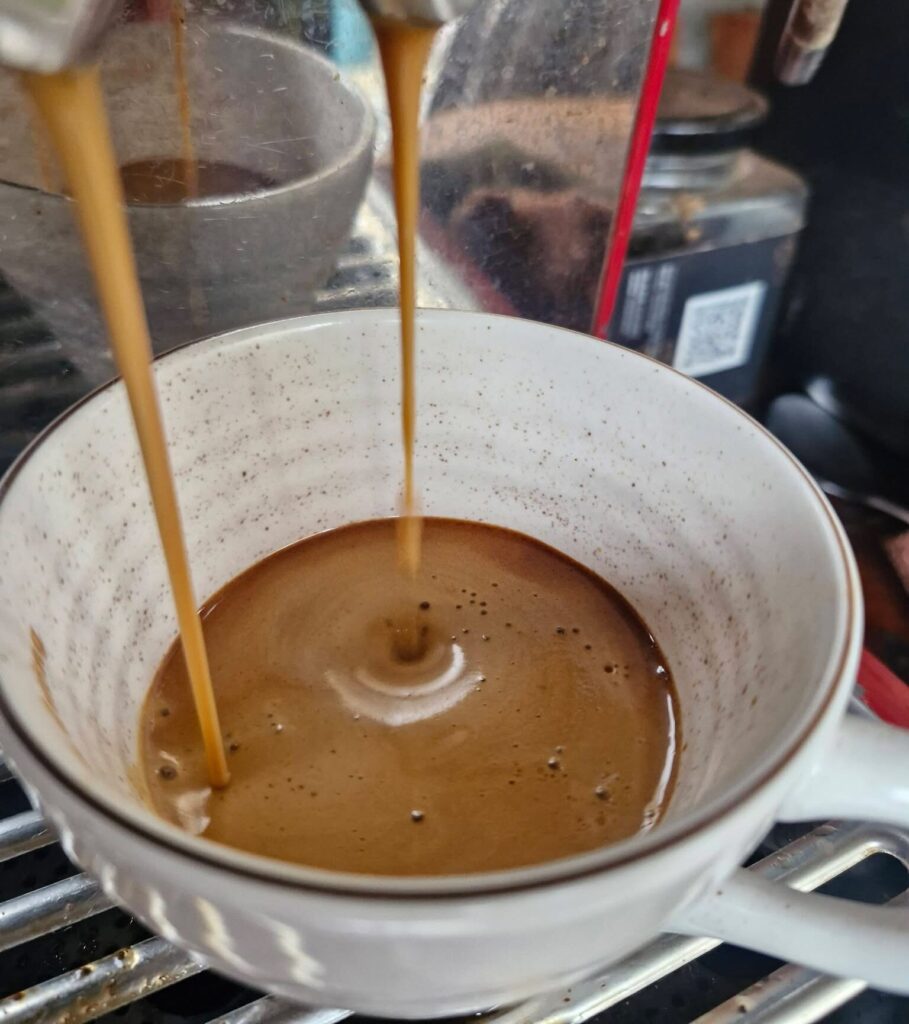
The Story Behind Vietnam’s Coffee Culture
Coffee was introduced to Vietnam during the French colonial period in the 19th century. Over time, Vietnamese farmers adapted coffee cultivation to the country’s climate and soil, turning coffee into an important agricultural product.
Today, Vietnam is particularly well known for growing Robusta coffee, a variety known for its strong flavor, higher caffeine content, and distinctive bitterness. The Central Highlands, especially areas such as Đắk Lắk, Lâm Đồng, Gia Lai, and Đắk Nông, have become important coffee-producing regions.
But the story of Vietnam’s coffee is not only about production. Vietnamese people have created their own unique coffee traditions and preparation methods.
Coffee gradually became deeply connected with social life. Cafés became places where people could meet friends, discuss business, read newspapers, work, or simply watch the world go by.
This tradition continues today. In almost every Vietnamese city, you can find cafés ranging from tiny plastic-stool shops on busy streets to modern specialty coffee houses.
What Makes Vietnam’s Coffee Different?
One of the most interesting things about Vietnamese coffee is the way it is prepared.
Traditional Vietnamese coffee is often brewed using a small metal filter called a phin. The phin sits directly on top of a glass or cup. Ground coffee is placed inside, hot water is added, and the coffee slowly drips through the filter.
The process is simple but creates a strong and concentrated cup.
Vietnamese coffee is often served with condensed milk. The combination of strong Robusta coffee and sweet, creamy condensed milk creates the famous cà phê sữa đá, or Vietnamese iced coffee with condensed milk.
For many international visitors, this is one of the most memorable ways to experience Vietnam’s coffee.
The contrast between the intense bitterness of coffee, the sweetness of condensed milk, and the coldness of ice creates a flavor that is both powerful and refreshing.
Cà Phê Sữa Đá: Vietnam in a Glass
If there is one coffee drink that represents modern Vietnamese coffee culture, it is cà phê sữa đá.
The preparation is straightforward. Strong coffee is brewed through a phin filter over condensed milk. The mixture is then stirred and poured over ice.
But drinking cà phê sữa đá is not simply about flavor.
It is also about the experience.
Imagine sitting at a small café on a warm morning, watching motorbikes move through the streets while slowly drinking a glass of iced coffee. There is no need to hurry. Coffee becomes an excuse to pause and observe everyday Vietnamese life.
This is one of the reasons why Vietnam’s coffee culture is so fascinating. Coffee is integrated into daily routines rather than being treated only as a luxury product.
Egg Coffee: A Hanoi Specialty
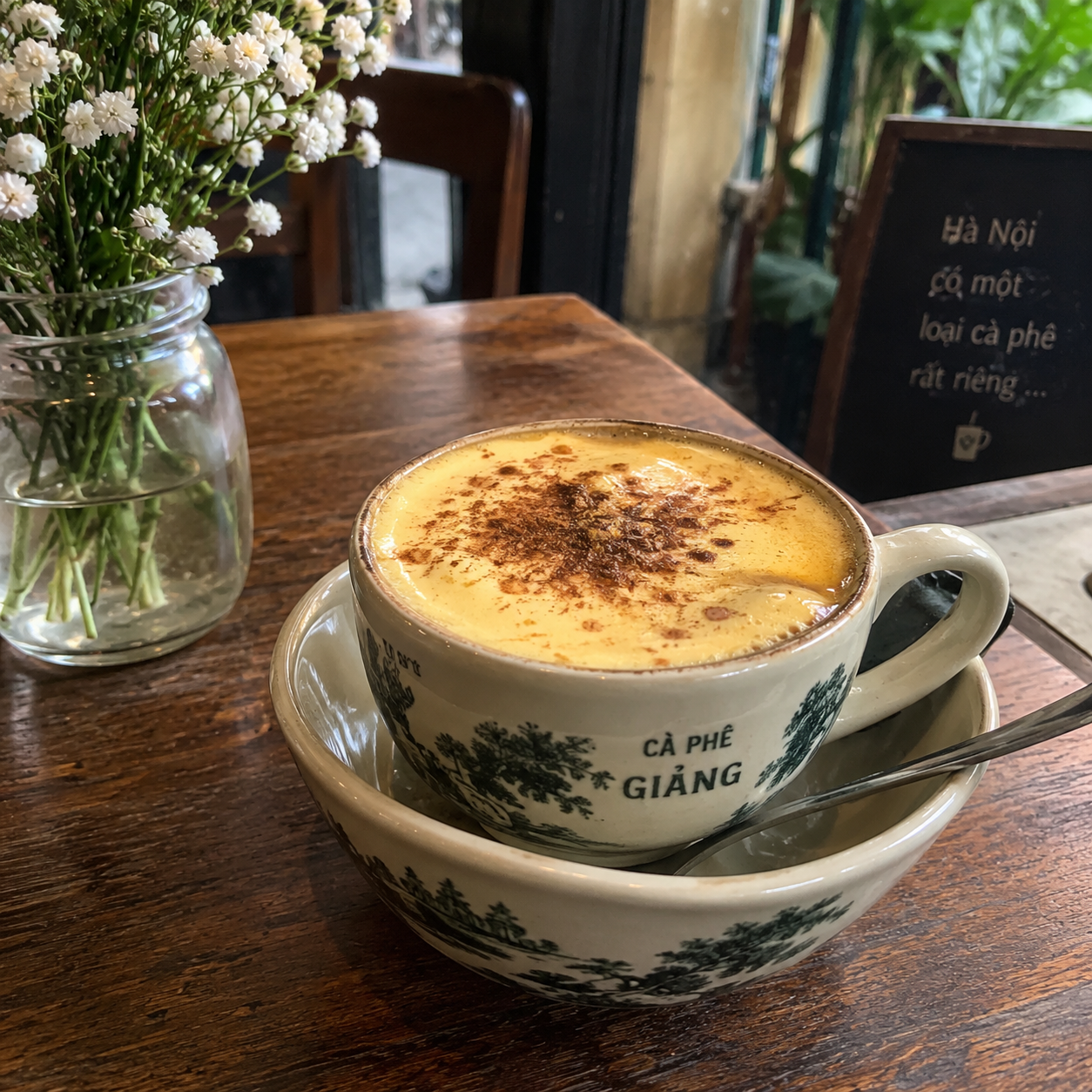
Another unique example of Vietnamese coffee culture is egg coffee, known locally as cà phê trứng.
Egg coffee is particularly associated with Hanoi. It combines strong Vietnamese coffee with a creamy mixture made from egg yolk and sugar, creating a texture that is similar to a rich dessert.
The result is surprisingly smooth and indulgent.
For visitors exploring Hanoi, trying egg coffee can be an excellent introduction to the creative side of Vietnam’s coffee.
Unlike traditional Western coffee drinks, Vietnamese coffee traditions often combine strong coffee with ingredients such as condensed milk, coconut, eggs, or even yogurt.
This creativity reflects the Vietnamese approach to food: familiar ingredients can be transformed into something completely new.
Coconut Coffee and Modern Vietnamese Coffee
Vietnam’s coffee culture continues to evolve.
Alongside traditional drinks, modern cafés have introduced new combinations such as coconut coffee, yogurt coffee, salted coffee, and specialty espresso drinks.
Coconut coffee has become particularly popular. Strong Vietnamese coffee is combined with coconut milk or coconut cream and ice, creating a refreshing drink with tropical flavors.
In central Vietnam, another interesting variation is salt coffee, which has become associated with Huế. Instead of adding large amounts of sugar, a small amount of salted cream is combined with strong coffee.
These drinks demonstrate that Vietnam’s coffee is not a static tradition. It continues to develop while maintaining connections with traditional Vietnamese flavors.
Discovering Vietnam’s Coffee Highlands
To truly understand Vietnam’s coffee, it is worth traveling beyond the cities and visiting the regions where coffee is grown.
The Central Highlands are at the heart of Vietnam’s coffee industry. The region’s elevation, climate, and fertile volcanic soils provide suitable conditions for coffee cultivation.
Đắk Lắk is particularly famous for its coffee. Buôn Ma Thuột, the provincial capital, is widely associated with Vietnamese coffee and is often considered one of the country’s coffee capitals.
Traveling through the Central Highlands offers a completely different perspective on Vietnam’s coffee culture.
Instead of seeing coffee as a finished drink, visitors can discover the entire journey: coffee trees flowering, green cherries developing, farmers harvesting ripe red cherries, and beans being processed and roasted.
This farm-to-cup journey helps explain why Vietnamese coffee has such an important place in the country’s agricultural economy and cultural identity.
From Coffee Cherry to Coffee Bean
Understanding how coffee is produced can make every cup more meaningful.
Coffee begins as a small fruit known as a coffee cherry. When the cherries mature, they change color and are harvested by hand or through mechanical methods, depending on the farm and production system.
The beans are then processed, dried, sorted, roasted, and eventually ground for brewing.
In Vietnam, both Robusta and Arabica coffee are cultivated, although Robusta plays a particularly important role in the country’s coffee production.
The flavor of coffee can vary significantly depending on the variety, growing region, altitude, soil, processing method, and roasting technique.
This is why exploring different regions can reveal many different expressions of Vietnam’s coffee.
Coffee and Vietnamese Daily Life
One of the most beautiful aspects of Vietnamese coffee culture is its connection with everyday life.
In the morning, people may stop at a local café before work. Friends may meet for coffee after lunch. Students use cafés as places to study. Business meetings often happen over a cup of coffee.
In larger cities such as Hanoi and Ho Chi Minh City, cafés have also become popular spaces for remote workers, creative communities, and young entrepreneurs.
The café can be quiet or lively, traditional or modern, simple or luxurious.
Yet the central idea remains the same: coffee creates a moment for people to connect.
This social dimension distinguishes coffee culture in Vietnam from simply consuming coffee as a beverage.
The Role of Robusta in Vietnam’s Coffee Industry
When discussing Vietnam’s coffee, it is impossible to ignore Robusta.
Robusta coffee is known for its strong body, earthy characteristics, pronounced bitterness, and relatively high caffeine content. These qualities make it particularly suitable for traditional Vietnamese brewing methods.
The strong character of Robusta also works exceptionally well with condensed milk and ice.
However, Vietnamese coffee production is becoming increasingly diverse. More farmers, roasters, and coffee businesses are exploring specialty coffee, improved processing techniques, traceability, and higher-quality Arabica and Robusta varieties.
This creates opportunities for Vietnamese coffee to be appreciated not only as a commodity but also as a product with distinctive regional characteristics.
Why Coffee Is an Important Part of Vietnam’s Identity
Food and agriculture are deeply connected to Vietnamese culture, and coffee has gradually become part of this identity.
For international visitors, a cup of Vietnamese coffee can tell several stories at once: the history of Vietnam, the agricultural traditions of the Central Highlands, the creativity of Vietnamese cuisine, and the social habit of spending time together.
Coffee also connects Vietnam to the global market.
Vietnamese coffee beans are enjoyed by consumers around the world, while the domestic coffee culture continues to evolve.
This combination of local tradition and international connection makes Vietnam’s coffee particularly interesting.
How to Experience Vietnam’s Coffee Culture
If you are visiting Vietnam, there are several ways to experience its coffee culture.
Start with a traditional phin coffee at a local café. Try cà phê sữa đá and compare it with black Vietnamese coffee.
If you are in Hanoi, explore egg coffee and traditional cafés hidden among the city’s old streets.
In Ho Chi Minh City, explore the city’s vibrant café scene, where traditional Vietnamese coffee exists alongside modern specialty coffee shops.
For a deeper experience, travel to the Central Highlands. Visit a coffee farm, learn about coffee cultivation, see how coffee cherries are harvested and processed, and taste coffee close to where it is grown.
This kind of experience allows you to understand Vietnam’s coffee from the farm all the way to the cup.
Bringing the Taste of Vietnam Home
One of the best ways to remember Vietnam is to bring some of its flavors home.
Vietnamese coffee beans, ground coffee, traditional phin filters, and other coffee products can allow you to recreate part of the Vietnamese coffee experience wherever you live.
However, choosing quality coffee is important. Look for information about the origin, coffee variety, processing method, roast level, and producer whenever possible.
For people who are interested in authentic Vietnamese products, purchasing directly from Vietnamese producers and responsible suppliers can also help support local agricultural communities.
A Cup of Coffee, A Different Vietnam
Exploring Vietnam’s coffee culture is ultimately about more than coffee.
It is about discovering the people who grow it, the landscapes where it is cultivated, the traditions that developed around it, and the creative ways Vietnamese people enjoy it every day.
From a small phin filter on a Hanoi sidewalk to vast coffee plantations in Đắk Lắk, coffee connects different parts of Vietnam.
The next time you drink Vietnamese coffee, take a moment to think about the journey behind that cup.
There may be a farmer in the Central Highlands, a local roaster, a traditional brewing method, and generations of cultural influence behind every sip.
That is what makes Vietnam’s coffee more than just a beverage.
It is a taste of Vietnam — its land, people, history, creativity, and everyday life.
Discover the Authentic Side of Vietnam
At Green Authentic Vietnam, we believe that discovering Vietnam should go beyond visiting famous tourist destinations.
We want to connect travelers and international customers with authentic Vietnamese products, agricultural regions, local producers, and the stories behind them.
From the coffee plantations of the Central Highlands to carefully selected Vietnamese agricultural products, our goal is to help you experience a different side of Vietnam — and bring a genuine taste of Vietnam back home.
Discover Vietnam through its coffee. Discover the people behind the beans. Discover the authentic taste of Vietnam.